Climate finance can be described as money that is invested in climate mitigation and adaptation. The goal of climate finance is to increase the capacity of natural and human systems to reduce greenhouse gas emissions. It is important to note that the benefits of these investments outweigh the upfront costs. This includes encouraging the development of new technologies, business models and other initiatives that will aid the transition to a low-carbon economy.
Climate risks are rising, which is something investors need to be aware of. A new sustainable financial structure can be used to support private sector initiatives as well as assist governments and other institutions in implementing climate policies more effectively. There is however a funding gap. There are many options to help bridge this gap.
The International Finance Corporation (IFC), which is a private arm of the World Bank Group promotes climate-friendly investing and blue-economy financial. The bank provides financing and technical assistance to promote clean technology and waterways. It encourages the financing of climate-beneficial projects through private debt funds and green bonds.
Multilateral development banks play a vital role in financing low carbon infrastructure in developing nations. They need to have a strong capital base and management oversight. They also need to be capable of managing their risk appetite. Their lending can include equity finance. Partnering with the private sectors is also a must. The World Bank, IFC, as well as other multilateral development banks, are making their institutions more accountable. However, they must increase their funding capacity for low-carbon project financing.
The US has made commitments to $11.4 billion in annual funding by 2024. However, money isn’t flowing at the required speed. The Congress must approve. A number of other countries have also committed to contributing more as a part of their economies. The U.S. must also calculate its past emissions. However, these figures can be disputed.
The wealthy nations contribute more to climate-related projects. The US's contribution will depend on the calculation of past emissions and its population. WRI5 estimates that the US could be a net contributer to climate change, but its contributions are still insufficient.
Private finance has seen dramatic growth in the last two year. Over USD 310 Billion was spent in climate solutions during the last fiscal. This is a 13% increase over the previous financial year. Most of this finance came from corporations. 33% of this total was equity investment. 22% was debt. 12% was grant financing. Private finance accounted for the third largest proportion of household spending.
To increase access to climate finance, the private sector must become more effective at mobilizing and deploying climate-relevant investment. This can be done through de-risking investment and incentivizing firms to shift towards a more sustainable future. If done right, this can improve risk-reward profiles of crowd-inprivate finance. A strong climate information architecture can aid investors in understanding the risks and rewards associated with investing in climate-beneficial investments.
FAQ
How does climate change politics impact global efforts?
Climate change is a highly politicized issue that has created a great deal of division among nations, governments, and individuals. The political stances taken by different actors will impact the implementation measures to combat climate changes. It has been difficult to reach a consensus on the global effort to address this urgent environmental problem.
Most scientists agree that humans are causing climate change. This is why it is urgent to act. The politics surrounding these issues often undermines global cooperation which is needed to make effective progress in implementing sustainable energy practices, upholding regulations protecting natural habitats, researching viable technological solutions, and other climate change interventions.
Many governments across the globe are determined to protect their own economic interests and enforce regulations that restrict business activities. This frequently clashes with the regulations that experts recommend in order to tackle climate change effectively. Without strong commitments by all countries involved and large-scale international action it is difficult for any state or group to adequately address climate changes through legislation.
The difficulty of reaching a full consensus about the best way to combat climate change is further complicated by differences in power dynamics. Countries with greater economic power are more likely to elect their own representatives to the international bodies responsible for negotiations on the environment. This can cause lopsided discussions about the interests of each country versus the collective interest all parties. In addition, potential side effects from implementing radical changes such as geoengineering have been debated heavily at both national and international levels.
At a grassroots level too, grassroots movements have struggled against powerful opponents including corporate ownerships and well-funded lobbies trying to maintain politically favorable positions for their industries especially when it comes to funding research into alternative forms of energy production or enforcing renewable energy technology mandates such as low emissions targets for vehicles etcetera - meaning individual governments must remain clearheaded about potential rewards and outcomes if they are going actively try to make valid progress on the matter in the question itself instead seeking public favor through short-term gains or even spectacles.
To mitigate the current environmental crisis, it will be crucial that resources are properly distributed and political divisions between countries are not overlooked.
What are the international efforts currently being made to address climate change
The international effort to tackle climate change has reached a new level of unity and momentum. Countries all around the globe are increasingly joining forces to find solutions to climate change.
At the global level, the Paris Agreement has galvanized collective action and serves as a framework for individual countries to set voluntary targets for reducing emissions. In addition, the UN Framework Convention on Climate Change provides political guidance as well as piloting new initiatives such carbon market mechanisms.
In certain regions, there is progress as well. The European Green Deal, for instance, is a comprehensive set of legislation that aims to rebuild Europe's economy while African countries have committed to the African Renewable Energy Initiative. This Initiative aims to increase Africa’s global share of renewable energy production.
Action can also be seen across industries and sectors. Cities are moving towards sustainable public transport, while the whole society is adopting more sustainable lifestyles. Companies are developing technologies to reduce emissions, while investors shift their capital away fossil fuels in favor of renewables.
The OECD committee represents wealthy countries and has established common standards for reporting national climate action through the Common Reporting Framework, also called the 2021 Guidelines.
These efforts all signify an unprecedented importance placed on climate action. If there is any hope of meeting the science-based Climate Goals, all stakeholders (governments, civil societies, and private sectors) must continue to build on their momentum and push for greater ambition & progress.
What are the ways climate change can be mitigated or reduced?
There are many measures you can take to mitigate and reduce the impacts of climate change. These include reducing greenhouse emissions by using greener energy sources and better energy practices. It's important that people are educated about climate change. This encourages them to take responsibility for their actions.
What are the environmental and social effects of climate changes?
The environment and society are both affected by climate change. Climate change has many environmental effects. These include rising global temperatures, increased extreme weather events and sea level rise. These changes can have grave consequences for human population, increasing instability and inflicting insect-borne disease and poverty on a large scale, as well as altering migration patterns and destroying important habitats.
Already, climate change is having an enormous impact on the environment as well as societies around the globe. As global temperatures rise, it is likely that this trend will continue in the near future.
The most significant effect of climate change globally is the rise in ocean levels caused by melting ice caps. This results in coastal erosion and increased flooding risks for coastal communities. In many countries, saltwater intrusion can also occur, affecting freshwater supplies in the coastal areas.
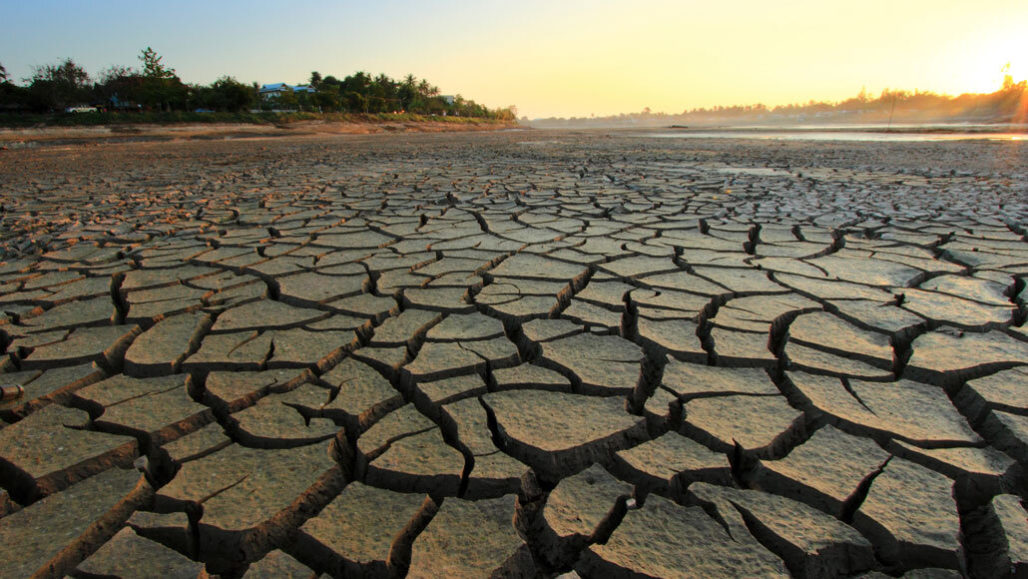
Extreme weather events such as heatwaves and droughts regularly occur across many countries around the world as a result of climate change. These events lead to massive destruction of homes, businesses, and even the loss of whole communities. Additionally, severe storms pose additional risks due to flooding or landlides that can increase damage to infrastructure such roads and railways.
Additionally, wildfires caused climate change are more common than ever. They can be devastating for both the habitats and the people who live nearby.
Many people are forced to flee their homes due to drastic changes in their living conditions.
The increase in aridity causes dust storms to become more frequent, which makes people suffering from asthma and other respiratory ailments such as asthma even more vulnerable. The possibility of pest infestations increasing is linked to increased temperature extremes, a phenomenon known "greenhouse bug". This further impacts global food insecurity. A smaller number of crops with lower nutritional quality could lead to additional hardships for those already struggling to make ends met.
How does climate change impact marine life and oceans around the globe?
What are the effects of climate change on oceans and marine life around the globe?
Since its inception, climate change has had a significant impact on the oceans and marine life of the world. Constant oceanic heat from the depletion in the ozone layer causes major disruptions in marine ecosystems. This leads to coral bleaching, and decreases in species.
Climate change can also be linked to unpredictable weather and stronger storms. This can cause extreme sea level rises that can prove fatal for coastal areas. Temperature changes can also cause water levels to drop, causing "dead zones", areas where there is less marine life.
Climate change is also contributing to ocean acidification, caused by excess carbon dioxide released into the atmosphere that accumulates within the oceans. Ocean acidification causes an increase in pH which affects the vital functions of animals such as crabs, clams, and oysters that cannot adapt to changing conditions.
Higher temperatures can alter the natural habitats of certain species by changing their locations or shrinking them, making them uninhabitable. This increase in ocean stress accelerates already high extinction rates amongst many species worldwide causing a severe imbalance between predators and prey that might eventually lead to complete extinctions.
The ripple effect of climate change affects entire ecosystems. It can directly or indirectly impact multiple species through evaporation, lower water volumes, and sharp temperature shifts. Overall climate change continues one by one wiping out entire species from our planet transforming future lives on land but most importantly deep below the surface of our oceans.
What is the impact of land use change and deforestation on climate change?
Deforestation and land use change have a direct and immediate impact on the climate. Carbon dioxide, which is the most important greenhouse gas on Earth, can't be absorbed by trees if they are removed or burned. Therefore, when trees are cleared by deforestation or burned for agricultural purposes, less carbon dioxide is removed from the atmosphere.
Land use changes can also increase the atmospheric concentration of greenhouse gases. When forests are cleared for livestock production, the use of fertilizer and pesticides may lead to an increase in methane or nitrous oxide emissions. In addition, clearing can increase exposure to soils that contain large amounts of stored carbon; when these soils are turned over or disturbed by farming activities, they release additional carbon dioxide into the atmosphere.
The effects of land-use change, deforestation, and increased greenhouse gas emissions can have a negative impact on the quality of regional air. For instance, smoke from burning events associated with deforestation has been linked to decreased visibility as well as health concerns such as asthma and other respiratory ailments. These changes in air quality can have a cumulative affect on global climate change. The increase in temperatures is due to more sun hitting the Earth's surfaces.
Conclusion: Deforestation, land-use changes and other factors have significantly contributed to global warming. These practices must be reduced if serious efforts are to reduce climate change.
Statistics
- The 100 least-emitting countries generate 3 per cent of total emissions. (un.org)
- features Earth's average surface temperature in 2022 tied with 2015 as the fifth warmest on record, according to an analysis by NASA. (climate.nasa.gov)
- This source accounts for about 10% of all the water that enters this highly productive farmland, including rivers and rain. (climate.nasa.gov)
- Indigenous peoples and local communities receive less than 1% of all climate funding despite scoring wins for people and nature Africa's broken food markets must be fixed to tackle hunger (climatechangenews.com)
- According to the 2014 report on Climate Change Impacts, Adaptation, and Vulnerability (page 8) from the United Nations Intergovernmental Panel on Climate Change, governments at various levels are also getting better at adaptation. (climate.nasa.gov)
External Links
How To
How to Support Climate-Friendly Businesses and Policies
There are several ways individuals can support companies and policies that promote climate-friendly practices. This can include speaking out against non-climate-friendly businesses or politicians, voting for pro-environment candidates, writing letters or emails of encouragement to those who are already taking positive action towards the environment, and signing petitions in favor of policies that encourage and support climate-friendliness. Individuals can also immediately take more practical steps such as switching providers when possible to ones that have a better environmental record or choosing sustainable products over those with higher carbon emissions.
It is important to reduce one's carbon footprint in order to support climate-friendly companies and policies. This can involve changing simple daily habits such as unplugging appliances or switching off lights when not needed, commuting via public transportation or carpooling instead of driving alone, using eco-friendly household items like biodegradable cleaning supplies and composting kitchen scraps rather than adding them to landfills, wearing clothes made from sustainable fibers often grown without chemicals, choosing locally sourced food whenever possible, setting up energy-efficient energy systems at home using solar panels or wind turbines, and planting trees around your property which absorb CO2 (carbon dioxide) from the atmosphere.
Investors interested in supporting climate friendly policies should research companies with lower carbon emissions before investing. Additionally, they should look into their portfolios periodically to ensure they meet the sustainability standards they have set themselves ahead of time. Investors may want to ensure that their investments in Green bonds do not finance projects with any activity which contributes more greenhouse gases into the air than they take away. Investors should consider any opportunities that could allow funds to be used for green business activities. These include renewable energy alternatives as a way to promote sustainability and community-building projects using green technologies.